
Edmonton Pest Control: Bed Bug Information
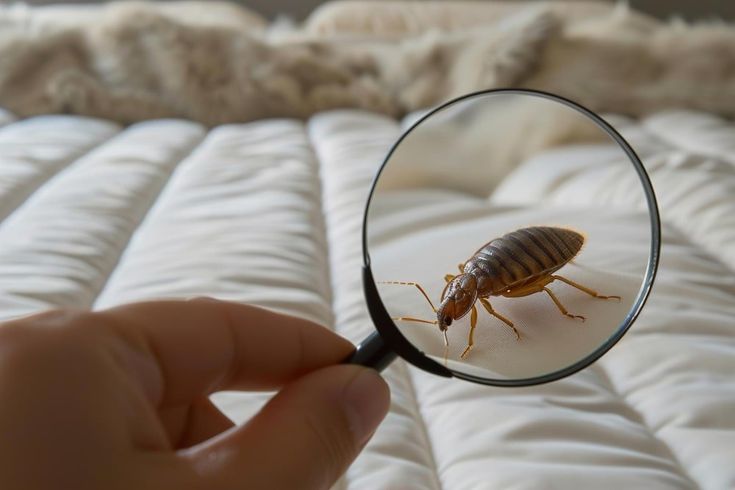
Bed bugs, are small, reddish-brown, parasitic insects that feed on the blood of humans and other warm-blooded animals. These pests are a global problem, found in homes, hotels, dormitories, and even public transportation. Edmonton has seen an increase in bed bug activity in part due to the lifting of COVID travel restrictions. Despite their name, bed bugs are not exclusive to beds; they can hide in various nooks and crannies, including furniture, carpets. Their bites, often mistaken for other insect bites or rashes, can cause itchy welts and significant discomfort, leading to sleep deprivation and anxiety. While not known to transmit diseases, a bed bug infestation can be a persistent and distressing issue, requiring diligent and often professional intervention to eradicate. We have come be known as Edmonton’s Bed Bug Professional.
Why Choose Edmonton Pest Control?
At Edmonton Pest Control, we pride ourselves on delivering safe, effective, and affordable pest control solutions tailored to the unique challenges of Edmonton. Here are some reasons why we’re the trusted choice for pest management:
- Experience You Can Trust: With over 10 years of service, our certified technicians have seen it all. No infestation is too challenging.
- Customized Solutions: Every pest problem is unique. We assess each situation and customize solutions to meet your specific needs.
- Quick & Reliable Service: Based locally, we provide timely service, ensuring your pest problems are resolved quickly and efficiently.
- Environmentally-Friendly Treatments: We care about your family, pets, and the environment, which is why we use eco-friendly products for our treatments.
- Excellent Customer Support: Through proactive communication and follow-ups, we prioritize understanding and addressing your concerns.
Bed Bug Introduction
We’ve all heard the old saying, “Sleep tight, don’t let the bed bugs bite,” but for many, this is more than just a nursery rhyme—it’s a real-life fear. Those tiny, reddish-brown bugs , are a growing problem that can turn your peaceful bedroom into a source of stress and discomfort. So, what exactly are these creepy crawlies, and why are they so difficult to get rid of?
Common Bed Bug Hiding Spots:
Mattresses & Box Springs: They love seams, folds, and crevices.
Bed Frames & Headboards: Wood and metal frames provide excellent shelter.
Furniture: Sofas, chairs, and even nightstands can become homes for bed bugs.
Cracks and Crevices: Think behind baseboards, loose wallpaper, and electrical outlets.
Luggage and Bags: This is a common way they travel from one location to another.
How to Identify a Bed Bug Infestation
Identifying bed bugs early is crucial for effective treatment. Here are the key signs to look for:
Itchy Bites: Bed bug bites often appear as small, red, itchy welts on exposed skin. They can show up in a line or a cluster.
Blood Stains: Small, reddish-brown stains on your sheets or mattress, left behind after a feeding.
Dark Spots or Fecal Stains: Tiny black specks, which are bed bug droppings, on bedding or furniture.
Shed Skins: As bed bugs grow, they shed their exoskeletons, which are light brown and look like empty bug shells.
A Musty Odor: A heavy infestation can produce a sweet, musty smell from the bugs’ scent glands.
Getting Rid of Bed Bugs: Why DIY Can Be a Mistake
Many people try to tackle a bed bug problem with do-it-yourself solutions, but this can often make the problem worse. Bed bugs are incredibly resilient and can survive for months without a blood meal. They are also developing resistance to many common insecticides.
Effective bed bug extermination requires a comprehensive, multi-step approach, often including:
Thorough Inspection: Locating all hiding spots, including those you might not see.
Integrated Pest Management (IPM): A combination of methods like heat treatments, steaming, and targeted insecticide application.
Prevention: Sealing cracks, using mattress encasements, and being vigilant when traveling.
If you suspect you have a bed bug infestation, the best course of action is to contact a local pest control professional. Their expertise, specialized equipment, and knowledge of bed bug biology ensure that the problem is eliminated completely, preventing a costly and frustrating recurrence.
Contact Us Today for a Pest-Free Space
Don’t wait for pests to take over. Whether you’re dealing with ants, bed bugs, or mice, Edmonton Pest Control has a solution for you. Contact us today for a free estimate and take the first step toward reclaiming your home or business.
How Do I Know If I Have Bed Bugs?
Bed bugs are masters of hiding. They tuck into mattress seams, box spring edges, baseboards, and furniture cracks during the day. At night, they crawl out to feed. The first sign is usually small, itchy bites in a line or cluster on exposed skin. You might also spot tiny rust-colored stains on sheets, dark specks of droppings, or the bugs themselves, which are about the size of an apple seed and reddish-brown.
Many people mistake bed bug bites for mosquito bites. The key difference is timing: bed bugs bite while you sleep, and the bites often appear in patterns. If you suspect bed bugs, check the seams of your mattress and behind your headboard with a flashlight before you panic. Early detection makes treatment faster and cheaper.
Why DIY Bed Bug Remedies Fail
Over-the-counter sprays and alcohol solutions kill the bugs they touch, but they miss the eggs and the bugs hiding in cracks. Bed bugs can survive months without feeding, so a single missed batch means reinfestation. Worse, some DIY treatments push bed bugs deeper into walls, spreading the problem.
Professional treatment combines heat or targeted chemicals applied in passes, covering eggs, nymphs, and adults. That’s why pest control companies in Edmonton recommend professional intervention for established infestations. For more on the methods, read our comparison of heat vs. chemical sprays for bed bugs.
What to Do Before the Exterminator Arrives
Preparation makes the difference between a one-visit fix and a repeat job. Strip bedding and launder it in hot water, vacuum thoroughly, and clear clutter from the floor. Do not throw your mattress away unless the technician advises it. Leave pesticide application to the professional, but tidy your space so they can reach every hiding spot.
Knowing what to expect helps too. Our guide to top red flags for bed bugs walks through the signs many homeowners miss, and our bed bug remediation guide explains the full treatment process.
Book your free estimate now!