When temperatures in Alberta drop below -30°C, everyone seeks warmth—including local wildlife. While you adjust your furnace, rodents in the River Valley and suburban neighborhoods go into survival mode.Unfortunately for many homeowners in Edmonton, this survival instinct means that these pests are often looking for a way into your basement.
The heat radiating from your foundation acts as a beacon for rodents. Your basement—with its utility lines, cold storage, and undisturbed corners—offers the perfect sanctuary from the deep freeze.Infestations are more than just a nuisance they pose health risks and threaten the structural integrity of your property. Here is your guide to surviving winter pest invasions and securing your perimeter.
Identifying the Intruder: Mice vs. Voles
Before you can evict unwanted tenants, you must identify them. While many Edmontonians use the terms “mouse” and “vole” interchangeably, they are distinct creatures with different behaviours.
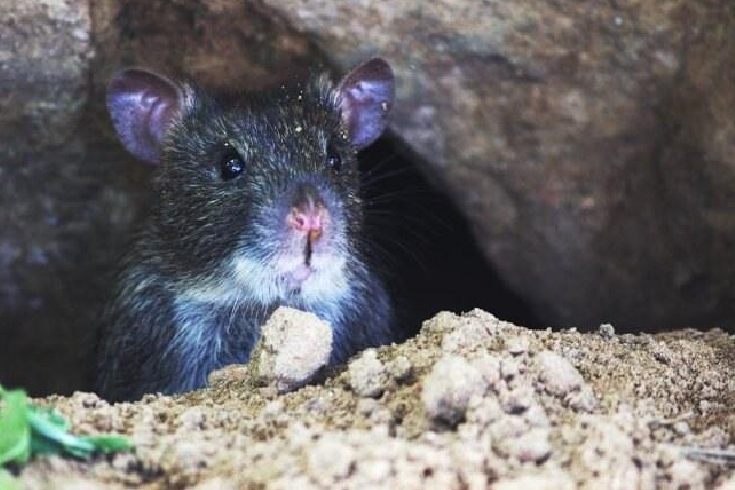
Typically, the House Mouse or Deer Mouse is the culprit scurrying behind drywall. They are climbers and explorers. Voles (often called field mice) are burrowers. While voles prefer the outdoors, they will exploit cracks in foundations or window wells to seek warmth, occasionally ending up in basements.
Here is a quick breakdown to help you identify the pest:
Feature | House/Deer Mouse | Meadow Vole |
Appearance | Large ears, long tail, pointed nose. | Small ears (hidden by fur), short tail, blunt nose. |
Body Shape | Slender, agile. | Stocky, potato-shaped. |
Primary Location | Inside walls, attics, basements, pantries. | Under snow, lawns, gardens, window wells. |
Damage Type | Chewed wires, insulation, droppings in food. | Girdled trees, chewed roots, “runways” in grass |
The Frozen Migration: Why Voles Target Foundations
Why would a vole, which prefers garden roots, come near your foundation? The answer lies in the subnivean zone.
In Edmonton, heavy snowpack acts as an insulator. Voles live in the space between the ground and the snow. As the ground freezes, voles move toward buildings where heat leaks from the basement foundation. This radiated heat keeps the soil softer and the temperature bearable.
If you have garden beds, mulch, or long grass against your exterior walls, you have sheltered them. Once they are against the foundation, any crack or unsealed utility line becomes a potential entry point.
Spotting the Warning Signs
Detecting rodents early is key to preventing a full-blown infestation. Because mice and voles operate differently, their signs are distinct.
Signs of Vole Activity
Voles are stealthy, but they leave evidence. While most damage is revealed after a Chinook melts the snow, look for these current signs:
- Fresh tracks: Small tracks leading specifically to window wells or weeping tile outputs.
- Gnaw marks: Check the base of ornamental trees or shrubs near your basement windows for chewing.
- Window well debris: If leaves in your window wells are disturbed, voles may be nesting there for warmth.
Signs of Mouse Activity
Mice are bolder about entering living spaces. You will likely see their mess before you see the animal.
- Droppings: Look for small, black, rice-shaped pellets, frequently found in furnace rooms, near hot water tanks, or in cold storage.
- Rub Marks: Mice have oily fur, which leaves dark, greasy smudges along baseboards or entry points.
- Auditory cues: Listen for scratching or scurrying in the basement ceiling or within the walls at night.
Fortifying the Foundation: Keeping Pests Out
Edmonton homes, whether historic Glenora properties or new suburban builds, all have vulnerabilities.
Sealing the Perimeter
Inspect the exterior perimeter of your home. During winter, pay attention to areas where snow has melted away from the walls, as this often indicates heat loss and can attract rodents. Ensure that the weeping tile drains are screened, since mice frequently use these pipes as pathways into the house. Additionally, check the rubber weatherstripping on basement windows; the harsh Alberta cold can cause it to shrink and create gaps.
How to Seal Gaps Correctly
Rodents can chew through spray foam, wood, and plastic. Follow these steps for a permanent fix:
- Identify openings: Check gas lines, A/C pipes, and dryer vents. A mouse fits through a dime-sized hole; a vole needs the size of a nickel.
- Use Steel Wool: Stuff small gaps tightly with copper mesh or steel wool. Rodents cannot chew through this material.
- Caulk over it: Apply high-quality exterior silicone caulk over the steel wool to secure it and block drafts.
- Cover vents: Install ¼ inch hardware cloth (wire mesh) over dryer vents and chimney intakes.
Safeguarding Your Home Systems
The basement houses your home’s mechanical heart. Unfortunately, mice have a biological need to chew to keep their teeth sharp, often targeting electrical wiring and PEX plumbing pipes.
To protect your utilities:
- Ensure all wire penetration points are sealed with metal escutcheon plates.
- Avoid storing clutter near the furnace or electrical panel (this provides nesting material near the heat).
- If you have a drop ceiling, check the tiles regularly. Mice often run along the top of these tiles, using wires as a suspension bridge.
Eviction Strategies: Stopping the Infestation
If they are already inside, you need to act fast. Populations can explode quickly in a warm house.
Interior Control (Mice)
Sanitation is half the battle. Remove food, water, and shelter.
- Storage: Keep bulk food in heavy-duty plastic bins, not cardboard.
- Declutter: Get laundry piles and boxes off the floor.
- Dehumidify: Mice need water; a damp basement is inviting.
Exterior Control (Voles)
For voles, the battle is fought outside to protect the inside.
- Tamp down the snow: Pack it down around your home’s perimeter. This collapses the subnivean tunnels that voles use to travel.
- Wrap trees: Use hardware cloth to protect the base of trees near the house.
- Trapping: If they are entering the basement, standard snap traps placed perpendicular to the wall are effective.
Alberta Government’s guide on rodent control.
Conclusion: Stay Vigilant
Edmonton winters are tough enough without having to deal with destructive pests in your home. While the snow may look peaceful, there’s a constant struggle for warmth happening right against your foundation. To keep your home secure, distinguish between mice and voles, seal any gaps in your basement, and maintain a clutter-free utility room.
Don’t wait until spring to check for damage. If you hear scratching tonight, take action tomorrow.
Frequently Asked Questions
No, voles cannot chew through solid concrete. However, they are opportunists and will utilize existing cracks, gaps in the foundation, or unsealed spaces around utility pipes to enter.
Mice often nest in the insulation between the basement ceiling and the main floor because it is warm and secluded. They may be travelling inside the ceiling joists without coming down into the living space.
It is generally not recommended to use poison baits indoors without professional supervision. If a mouse eats the bait and dies inside your walls, the carcass will decompose, producing a strong odour that can persist for weeks. Snap traps are a cleaner indoor solution.
The cost of pest control can vary based on the size of the infestation and the dimensions of your home. Typically, a professional pest control service includes an inspection, sealing of small entry points, and a trapping program. Investing in pest control now can help prevent costly repairs to electrical systems or insulation later on.