
2025 Trends: Bed Bug Case Increase
All over the world, the distribution of bed bugs is worsening, and the acceleration in 2025 is the sharpest seen in recent years. The frequency of travel has risen again, as people are relocating more flexibly for business, schooling, and sightseeing. The risk of acquiring bed bugs is present in every shared ride, including when suitcases or backpacks are involved.
Another factor at play here is shared accommodation in apartments, condos, and student dormitories with steady, high levels of bed bugs. Bed bugs migrate at ease from unit to unit without detection. It’s common for even the most sparkling of homes to be invaded. Close to bed bugs, as they are, to ample warm sleeping bodies they are highly attracted to.
Infestation hot spots are also in condo buildings with wall-to-wall sharing, bunk bed dorms, hotels, and older homes with dusty borders and cracks in the flooring. Quilted homes are at higher risk since bed bugs are silent and tiny. Even more often, more minor bed bugs go undetected and fully spread by the time most homeowners realise what pest they are dealing with.
Possible Signs You Need a Bed Bug Exterminator
We can say that bed bugs should always have been caught in the earliest stages of their infestation in any space. Based on the research, some of the signs that you may have a bed bug infestation in your space and that you caught it early, include:
- Bed bug bites on your body;
- Bed bugs leave black spots on your bedding and on your mattress.
- Bed bug skins and bed bug faeces.
Bed bugs emit a very distinct odour, described as musty or sweet. You may find stains on your bed sheets, and if you find bed bug bites, and you don’t have any blood stains on your sheets, it can be an indicator of bed bugs.
No-click checklist:
- Do you have bites that have just appeared overnight?
- Are there black spots on the mattress?
- Do you smell something musty?
- Are there bed bug skins or shells?
If you answered yes to any of the questions mentioned above, there may be bed bugs in your space that need to be inspected by a professional.
How Experts Are Identifying Bed Bugs Differently From Home Owners
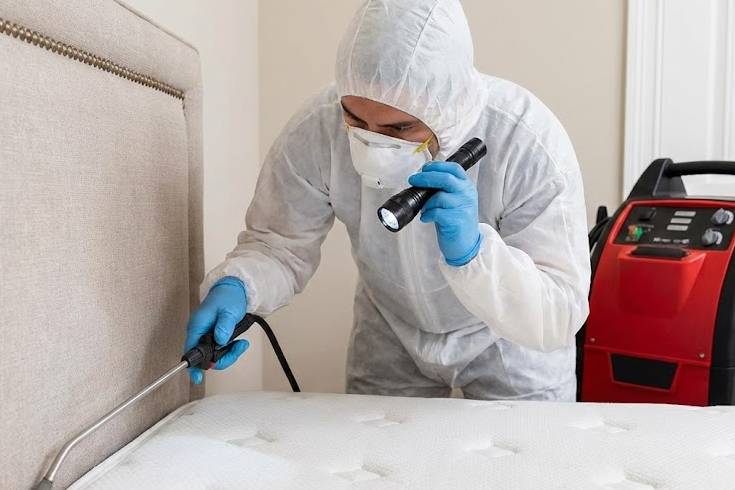
Professional bed bug identification involves more than just looking. They inspect areas that the average homeowner may never even think of:
- Bed bugs are in the folds of the mattress seams.
- Below the bed frame.
- Joints of the furniture.
Professional bug inspectors are equipped with flashlights and other more sophisticated probing devices.
Bed bugs are the size of an apple seed and are thin and reddish-brown, which is why they can fit into crevices like those in the edges of a credit card and remain unseen. They lay tiny white, sticky eggs, and the bugs stay hidden and dormant, which is why they can be hard for homeowners to spot.
“How to Deal With Bed Bugs (2025 Edition)”.
There are a variety of ways to deal with bed bugs, and the specific strategies depend on how bad the infestation is and the layout of the home.
Thermal Approach
Heating is the most efficient strategy available in 2025. The exterminator raises the temperature of the entire space to a temperature between 120 and 140 degrees F, instantly killing all bugs and eggs. The process takes only a few hours, leaves no chemicals behind and is ideal for large-scale infestations.
Pros are that it is quick, environmentally friendly, and is able to kill bugs in all life stages.
Cons are that it is more expensive and takes a greater amount of planning in advance.
Pesticide Approach
Technicians implement a chemical process, applying regulated insecticides that are safe to the perimeter of the hiding locations, like corners, furniture seams, and cracks.
The pros are that it is cheaper and the chemicals used have a long-lasting effectiveness.
Cons are that it requires multiple visits, and occasionally eggs survive the treatments between visits.
Combination of Both Approaches
This approach takes both heating and chemical pesticides and works well with older pests. It is a popular strategy in multiple-unit buildings to prevent bugs from infesting a previously empty unit.
Steaming
Steaming is also an excellent approach for multi-occupant buildings since it is a dissolved ecosystem, and bugs die on contact. The steam is also environmentally friendly.
Low-Toxicity and Green Options
Current treatments use low-odour, plant-based solutions, ideally suited for homes with children and pets.
Every technique has its benefits, and professionals help determine the safest and most effective ones.
Why DIY Bed Bug Treatments Usually Fail
Most DIY efforts only exacerbate the issue. Bed bug sprays sold in stores only kill the ones exposed, while those in deep crevices or furniture joints remain unharmed. Many of them ignore the eggs.
Bed bugs are also immune to some commonly used chemicals. When a room is sprayed incautiously, they flee to other uninfested rooms. A single unmate female can restart the entire infestation.
Another issue is misdiagnosis. Bed bugs are commonly mistaken for carpet beetles or fleas. It leads to unproductive and costly efforts, all while the real infestation continues to grow.
To what extent will a professional bed bug exterminator charge in the year 2025?
Costs differ due to several reasons. The following is a rough estimate breakdown:
Price Variation by Level of Infestation
- Light infestation: $300-$700 per room
- Moderate infestation: $700-$1500
- Severe infestation: $1500-$3000+
Specific Factors that Affect the Cost
- Size of the home
- Number of rooms affected
- Type of treatment prescribed
- Need for prep assistance
- Follow-up appointments
- Type of building (apartments usually take extra work)
Heat treatments are pricier, but they usually get the problem solved in one day, cutting down on the cost of return trips. Chemical-only therapies that are more affordable can take several appointments.
Ways to save on costs:
- Identifying the problem as early as possible.
- Only treat the rooms that are affected (if possible).
- Minimising clutter to reduce the number of hiding spots.
- Inquiring about packaged prices on follow-up treatments.
What to anticipate during a bed bug extermination appointment.
Most appointments follow a structured process:
Inspection
The exterminator will go to each room on the property and assess the situation.
Preparation
You will get instructions for prep, including laundry, decluttering, and bed covering removal.
Treatment Day
Depending on the treatment, you may have to exit the residence for a few hours. The staff will treat the area with a pesticide, steam, or heat.
Follow-Up
One or two follow-up appointments are standard with extermination to confirm that the bed bugs are eliminated.
Recovery Timeline
You may still see a few dead bugs for a week or two. Bite activity should decrease quickly.
How to Prepare Your Home for a Bed Bug Treatment
Preparation helps the treatment work effectively.
- Wash bedding, clothes, and linens on high heat.
- Reduce clutter around beds and corners.
- Bag clean items in sealed plastic bags.
- Vacuum floors, mattress seams, and furniture.
- Use mattress encasements after treatment to trap any survivors.
Zero-click checklist:
- Launder everything?
- Bag items?
- Remove clutter?
- Clear access for the technician?
- Mattress cover ready?
Questions to Ask a Professional Bed Bug Exterminator Before Hiring Them
These questions are perfect for voice search:
- “Is bed bug treatment safe for kids and pets?”
- “How long does bed bug heat treatment take?”
- “Do you guarantee results?”
- “How many follow-ups are included?”
- “What prep steps do I need to do?”
- “Do you treat neighbouring units if needed?”
Clear answers show professionalism.
How Fast Bed Bugs Spread (And Why You Shouldn’t Wait)
An adult female bed bug can reproduce and lay hundreds of eggs throughout her lifetime. Bed bug eggs hatch in about 1 to 2 weeks, and the nymphs mature into adult bed bugs quickly. As bed bugs infest an apartment building, they can move through cracks, outlets, and shared ventilation systems.
Some homeowners are hoping bed bugs will go away and delay calling a professional. This is a common mistake. Early intervention is key. If you act quickly, you can save hundreds of dollars and prevent bed bugs from spreading into other rooms and to the cells of your friends, family, and workplace.
Prevention Tips After Treatment (2025 Best Practices)
Now that bed bugs are gone from your home, let’s keep it that way.
- Encapsulate your mattress and box springs.
- Regularly vacuum your rooms, especially your bed frame.
- Inspect hotel beds before you use them.
- Keep your bed a few inches away from the walls.
- Do not purchase used mattresses or upholstered furniture.
- Report bug problems promptly in the apartments to stop the spread.
When to Call a Professional Immediately
Do not wait. If you notice:
- More than one bed bug
- Eggs, shells, or clusters in corners or surfaces
- Recurring bug bites, especially bites that return nightly
- New bugs appearing after your do-it-yourself attempts
- The presence of signs in multiple rooms
The number of bed bugs can escalate rapidly, especially if left untreated.
FAQ'S
Treatments usually remain effective for weeks, and heat applications work instantly.
They can return if the source is not eliminated; however, follow-ups and encasements are necessary.
Yes. They can hide in small gaps, which is why heat treatment is often favoured.
Most individuals notice results within a few days.
Final Thoughts: Choosing the Right Bed Bug Extermination Professional in 2025
Bed bug invasions are a nuisance, but the right expert can eliminate this problem in no time. Look for certifications, transparent billing, and companies with guarantee policies. Advanced inspections prevent the problem from worsening and save money, especially in busy households and apartments. If you see signs, contact a respectful local exterminator to take back your home confidently.