The Landlord’s Strategy: Preventing Pest Migration Between Rental Units
A pest problem in a single-family home is an isolated event. In a multi-family building, it is an immediate community threat. Shared walls, continuous plumbing lines, and central ventilation systems act as transit routes for insects and rodents. If one unit develops an infestation, it is only a matter of time before adjoining units are compromised.
Managing pests in rental properties requires more than reacting to tenant complaints. It requires a systematic approach to identifying vulnerabilities, sealing structural gaps, and enforcing lease agreements that mandate tenant cooperation. Property managers who fail to address pest migration face escalating extermination costs, angry tenants, and potential legal liabilities.
The Unique Challenges of Multi-Unit Housing Pest Management
Multi-family housing presents distinct obstacles for pest control. Unlike standalone structures, apartments and duplexes contain hidden networks of utility voids that connect every living space. A minor roach issue on the first floor can quickly move through the pipe chases to infest the fourth floor within weeks.
Furthermore, property managers must rely on the habits of multiple tenants. One resident’s poor sanitation can attract pests that eventually migrate into the pristine unit next door. Extermination efforts often fail because treating a single apartment simply pushes the pests into the neighboring unit, only for them to return once the treatment dissipates.
| Pest Migration Vulnerability | Common Location | Mitigation Strategy |
|---|---|---|
| Plumbing Penetrations | Under sinks, behind toilets, laundry hookups. | Seal gaps with copper mesh and silicone caulk. |
| Electrical Conduits | Shared walls, light fixtures, switch plates. | Apply specialized expanding foam; use outlet gaskets. |
| HVAC Ductwork | Vents, return air chases, and mechanical closets. | Install fine mesh screens; ensure tight duct connections. |
| Subfloors and Ceilings | Dropped ceilings, floor joists, block voids. | Seal with fire-rated expanding foam and hardware cloth. |
Legal Guidelines: Understanding Landlord Responsibility for Pest Control
Property owners carry a significant legal burden regarding pest control. While local ordinances vary, state laws generally dictate that maintaining a pest-free environment is a fundamental landlord responsibility.
The Implied Warranty of Habitability
The Implied Warranty of Habitability is a legal doctrine recognized in almost all jurisdictions. It requires landlords to keep rental properties safe, sanitary, and fit for human occupation. Handing over the keys to a unit implies that the space is free of infestations. If a building suffers from widespread pest migration, the landlord is typically held responsible for the eradication costs, regardless of how the pests initially entered the building complex. Failing to uphold this standard can result in rent withholding, lease termination without penalty, or health department citations.
Determining Fault: When Can Tenants Be Charged for Extermination?
Shifting the cost of extermination to a tenant is difficult in multi-unit buildings. Because pests travel easily between apartments, proving that a specific tenant introduced the infestation is a steep uphill battle.
Landlords can usually only charge tenants if there is clear, documented evidence of fault. Examples include a tenant bringing in a mattress heavily infested with bed bugs or a documented hoarding situation that explicitly violates the sanitation clauses of the lease. Even in these cases, landlords must act swiftly to treat the entire affected area before arguing over the bill, as delaying treatment will only allow the pests to migrate further.
Developing a Proactive Landlord Pest Control Strategy
Relying entirely on tenant complaints is a flawed strategy. By the time a resident reports a pest issue, the infestation has likely been active for weeks and may have already spread to adjacent units. A proactive strategy prioritizes prevention over eradication. This involves budgeting for routine inspections, fortifying the physical structure of the building between tenant turnovers, and utilizing pest control methods that focus on long-term exclusion.
A Guide to Integrated Pest Management for Landlords
Integrated Pest Management (IPM) is the standard for multi-family housing. Rather than relying on routine, heavy chemical sprays, IPM focuses on altering the building environment so pests cannot survive, enter, or reproduce.
Routine Inspections and Year-Round Monitoring
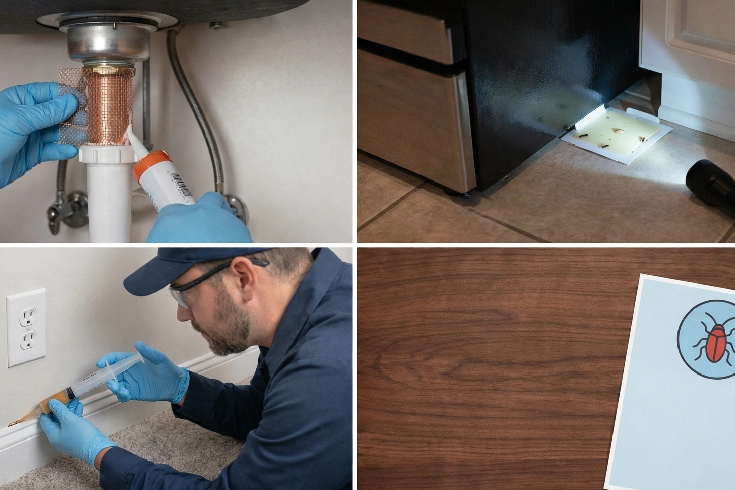
Scheduled maintenance is the backbone of IPM. Property managers should incorporate pest monitoring into routine activities like changing HVAC filters or testing smoke detectors. Placing discreet monitor traps under sinks or behind appliances provides early warning signs of insect activity before a tenant even notices them.
Enforcing Strict Sanitation and Waste Management Protocols
Pests congregate where food and water are easily accessible. Managing exterior waste is critical. Dumpsters should be placed as far from the building foundation as possible and emptied regularly. Trash chutes must be power-washed and treated periodically, as organic buildup inside the chute provides a reliable food source for flies, roaches, and rodents.
Fostering Tenant Education and Prompt Reporting
Tenants often hide pest problems. They may fear being charged for the extermination or worry about the stigma associated with bugs. Landlords must establish a clear communication channel emphasizing that prompt reporting is expected and will be handled discreetly. Providing move-in packets that explain how to identify common pests and how to dispose of garbage properly encourages tenants to become partners in the building’s pest defense.
Structural Defenses: Pest Proofing Multi-Family Units
Physical barriers are the most effective method for stopping pests from migrating between units. The period between tenant turnovers is the ideal time to fortify a unit against intrusions.
How to Pest-Proof Shared Walls in Rental Units
Shared walls often contain hollow voids that allow insects to bypass physical barriers. Property owners should inspect the drywall for any cracks or gaps, particularly where the wall meets the ceiling or floor. Applying acoustic caulk or standard joint compound to these fissures limits travel routes. During major renovations, consider installing fire blocks inside the wall studs, which serve the dual purpose of halting fire spread and restricting rodent movement.
Sealing Plumbing Penetrations, Electrical Outlets, and Baseboards
The most common pest highways are the holes cut for utilities. Plumbers and electricians frequently leave large gaps around pipes and wires.
- Plumbing: Fit escutcheon plates securely against the wall. Fill any surrounding gaps with a mixture of copper mesh and silicone caulk (rodents will chew through standard foam).
- Electrical: Remove faceplates and seal the gaps between the electrical box and the drywall.
- Baseboards: Run a continuous bead of clear caulk along the top and bottom of baseboards to eliminate the tiny crevices where roaches and bed bugs hide.
Securing Exterior Perimeters, HVAC Systems, and Common Areas
Preventing pests from entering the building envelope is just as important as stopping them internally. Install heavy-duty door sweeps on all exterior doors and ensure weather stripping is tight. Vents connected to the HVAC system should be fitted with fine wire mesh. Common areas, such as laundry rooms and basements, require regular inspections and sealing, as these low-traffic zones frequently harbor initial infestations.
Stopping Pests from Spreading in Rentals: Targeted Action Plans
Different pests require different containment strategies. A broad-spectrum approach will fail if it does not account for the specific behavioral patterns of the target insect or rodent.
| Pest Type | Primary Migration Route | Targeted Prevention Tactic |
|---|---|---|
| Bed Bugs | Wall voids, electrical outlets, hallways. | Outlet sealers, interceptor traps, and treating adjacent units. |
| Cockroaches | Plumbing chases, shared ventilation. | Gel baits, boric acid dust in voids, and moisture control. |
| Rodents | Subfloors, drop ceilings, exterior gaps. | Copper mesh/steel wool in holes, strict waste management. |
How to Stop Bed Bug Migration in Apartments
Bed bugs walk from unit to unit through the smallest structural deficiencies. If Unit A has bed bugs, the units above, below, and adjacent to Unit A must be inspected and preemptively treated. Installing interceptor cups under the legs of beds and furniture helps monitor movement. Applying specialized dust insecticides inside wall voids (done by a licensed professional) ensures that bugs migrating through the walls are neutralized before reaching the next apartment.
Halting the Spread of Cockroaches Through Ventilation and Plumbing
Cockroaches are highly dependent on moisture. Fixing dripping faucets and sealing around pipe penetrations cuts off their travel routes and their water supply. Instead of using aerosol sprays, which only scatter the roaches into neighboring apartments, professionals use gel baits. Baits encourage the roaches to consume the poison and carry it back to their hidden nesting sites inside the shared walls, effectively destroying the population at its source.
Blocking Rodent Highways in Ceilings and Subfloors
Mice can squeeze through holes the size of a dime. Drop ceilings and subfloors provide dark, undisturbed highways for rodents to traverse an entire building. Landlords must seal all utility entry points using gnaw-resistant materials like hardware cloth or steel wool paired with industrial sealants. Expanding foam alone is insufficient, as mice will quickly chew through it.
Lease Clauses and Multi-Tenant Property Pest Prevention
Physical defenses must be backed by strong administrative policies. The lease agreement is a landlord’s primary tool for enforcing pest control standards.
Drafting Clear Pest Control Expectations in the Lease Agreement
A robust lease should explicitly state the tenant’s responsibility regarding cleanliness. It must outline expectations for trash removal, food storage, and clutter management. Furthermore, the lease should contain a mandatory reporting clause, requiring tenants to notify management within 24 to 48 hours of spotting a pest.
Mandating Cooperation for Property-Wide Extermination Treatments
When an infestation occurs, treating a single unit is rarely enough. The lease must grant the landlord the right to require tenant cooperation during extermination events. This includes mandatory preparation of the unit—such as emptying cabinets, moving furniture away from walls, or laundering all clothing—and granting access to pest control professionals. Include language detailing the financial consequences or lease violations if a tenant refuses access or fails to prepare their unit for scheduled treatments properly.
Frequently Asked Questions
The most effective method is comprehensive structural exclusion combined with Integrated Pest Management (IPM). This involves sealing all plumbing penetrations, electrical conduits, and baseboard gaps with appropriate materials like silicone caulk and copper mesh, while continuously monitoring for early signs of pest activity.
Pest travel speed depends on the species and the building's structural integrity. Cockroaches and mice can move between adjoining units within a matter of days through shared plumbing lines or ventilation shafts. Bed bugs can also migrate rapidly through wall voids, often reaching neighboring apartments within a few weeks if the initial infestation is disturbed.
In most jurisdictions, landlords are responsible for paying for bed bug treatments under the Implied Warranty of Habitability. Because it is notoriously difficult to prove exactly which tenant brought bed bugs into a multi-unit building, the burden of eradication generally falls on the property owner to ensure the building remains safe for occupation.
For multi-unit properties, proactive inspections should be scheduled at least quarterly. Additionally, thorough pest inspections should be conducted every time a unit turns over, before the new tenant moves in, to ensure any minor issues are caught and resolved while the apartment is empty.